
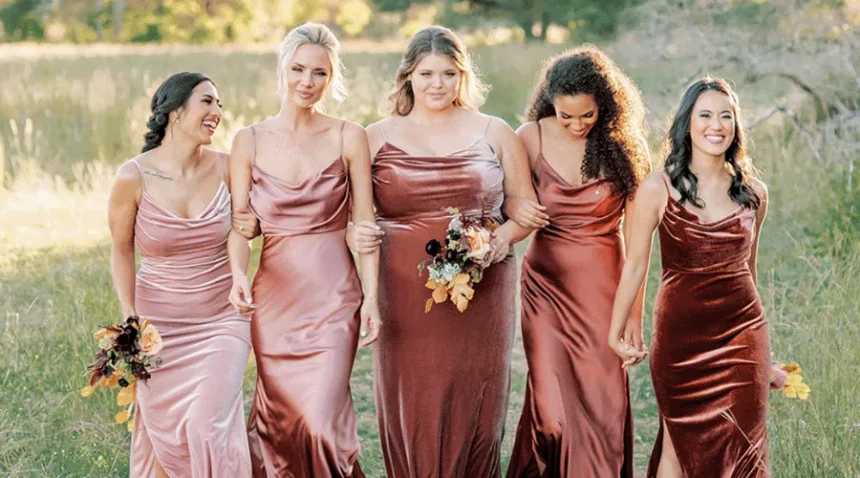
Finding flattering bridesmaid dresses is rarely as easy as it sounds. One style rarely suits everybody, height, or comfort level. Yet the pressure to make everyone match often overrides common sense. This blog focuses on dresses that work in real weddings. Long days. Real movement. Honest photos. The goal is simple. Dresses that feel balanced, wear well, and keep the bridal party confident from start to finish.
Why Bridesmaid Dresses Usually Miss the Point
One shape forced on everyone
Uniform dresses look tidy on mood boards, but struggle in reality. Bodies distribute weight differently. Shoulders slope. Waists rise and fall. Flattering bridesmaid dresses work best when the silhouette stays consistent but allows variation in necklines and straps so each person feels secure.
Comfort is treated like a bonus
A dress that pinches or pulls changes posture quickly. Shoulders tense. Smiles fade. Confidence drops. Flattering bridesmaid dresses should feel settled once worn, not require constant checking or adjustment throughout the day.
Fabric decisions cause most regrets
Stiff fabrics hold creases and highlight stress points. Overly clingy materials exaggerate movement. Chiffon works because it drapes instead of fitting the body. That’s why it dominates flattering bridesmaid dresses that photograph cleanly in group settings.
Movement exposes weak design
Standing still hides problems. Walking reveals twisting seams. Sitting exposes tight hips. Dancing confirms everything. Flattering bridesmaid dresses are designed for motion, not mannequins, and should move naturally without riding up or shifting.
Photos remember everything
Side angles, back views, mid-step shots, hugs. Cameras capture moments people don’t prepare for. Flattering bridesmaid dresses consider how fabric falls from every angle, not just the front-facing mirror view.
Bridesmaid Dresses That Actually Flatter
A-line Cold Shoulder Floor-Length Chiffon Bridesmaid Dress With Ruffle
This dress handles asymmetry with control. The cold-shoulder neckline draws the eye upward without cutting awkward lines across the body. A softly ruched bodice adds shape without pressure. Chiffon keeps the skirt fluid and forgiving through long hours. The leg slit improves the stride instead of adding a distraction. Among flattering bridesmaid dresses, this style adapts well to mixed heights and body proportions.
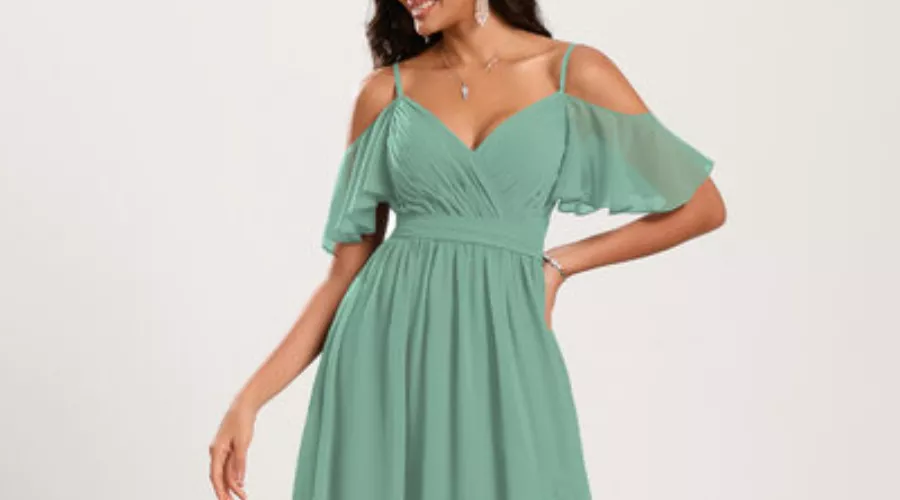
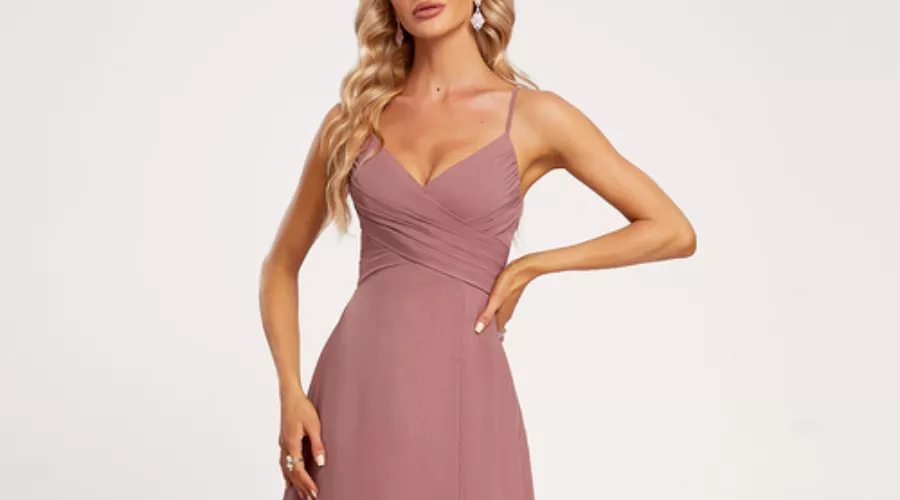
A-line V-Neck Floor-Length Chiffon Bridesmaid Dress
Clean lines make this dress reliable. The V-neck elongates the torso and works across bust sizes. Spaghetti straps keep the upper body light. Gentle ruching defines the waist without stiffness. The A-line skirt moves smoothly, and the slit prevents restriction when walking or dancing. Flattering bridesmaid dresses often succeed quietly, and this one proves that point.
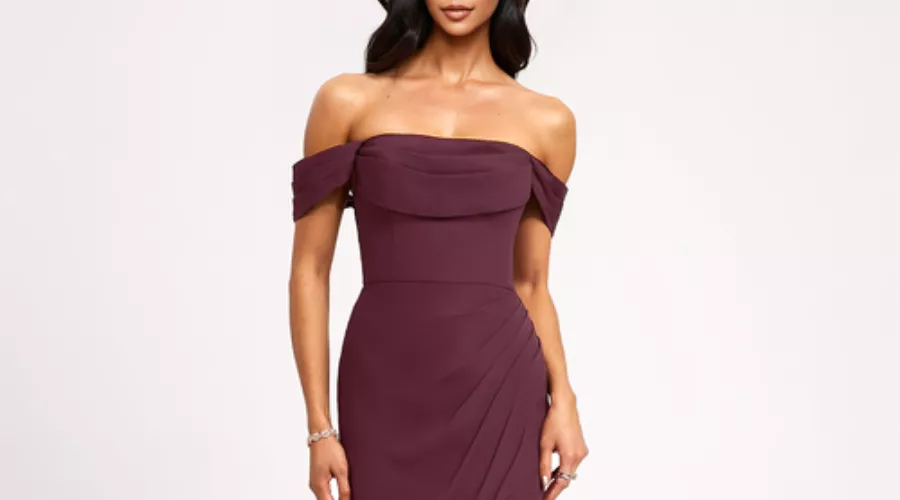
A-line Off the Shoulder Floor-Length Chiffon Bridesmaid Dress With Ruffle
Romantic designs often fail due to slipping or sagging. This one avoids both. The off-the-shoulder neckline frames the collarbone while staying secure. Subtle boning provides structure without forcing posture. The chiffon skirt flows naturally, and the slit allows easy movement. For brides seeking flattering bridesmaid dresses with softness and stability, this option holds up well.
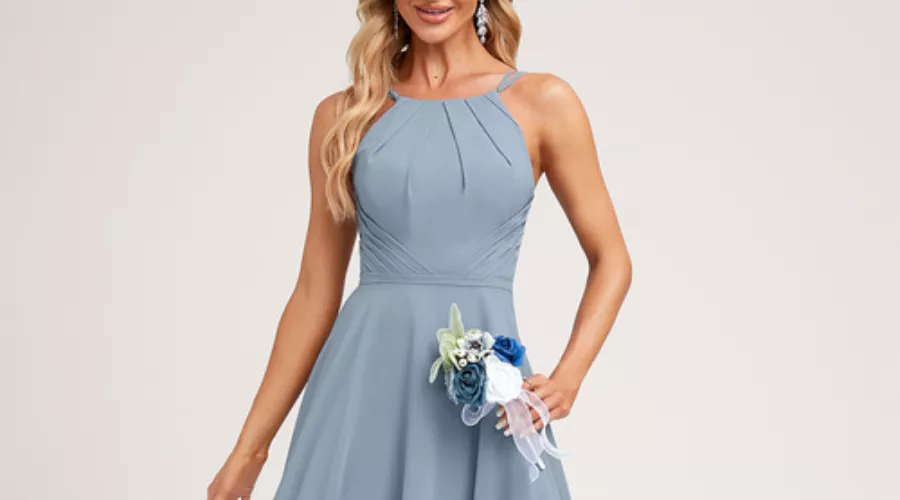
A-line Halter Floor-Length Chiffon Bridesmaid Dress
The halter neckline creates a clean vertical line through the shoulders and upper body. Front pleating adds structure without bulk. The skirt drops smoothly to the floor, avoiding unnecessary volume. Adjustable straps at the back improve fit across different body types. With no slit, it suits more traditional ceremonies. Flattering bridesmaid dresses like this rely on construction, not excess detail.
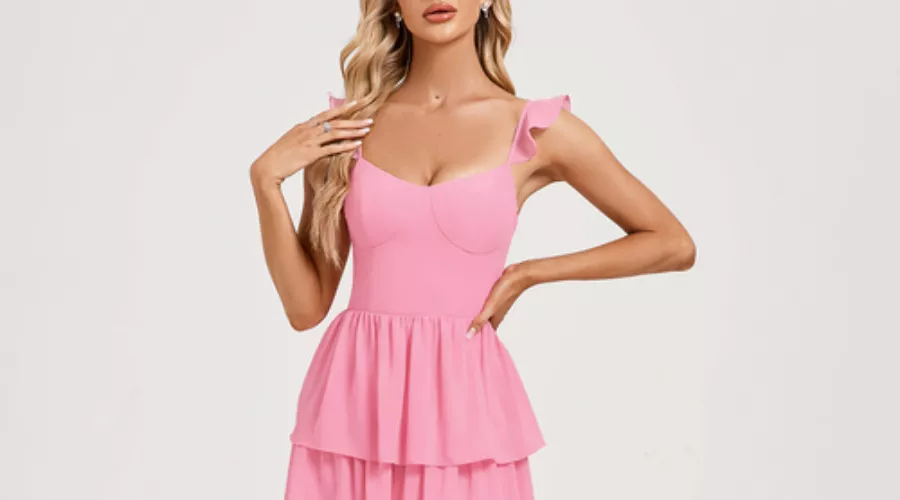
A-line V-Neck Floor-Length Chiffon Bridesmaid Dress With Ruffle
This dress balances detail and restraint. Ruffled straps soften the neckline without overwhelming it. A tiered chiffon skirt adds movement without weight. The front slit supports comfortable walking and sitting. The open back adds interest without stealing focus. Lightweight fabric keeps it breathable. Flattering bridesmaid dresses benefit when details feel intentional, not crowded.
Simple Fixes That Prevent Dress Regret
Order earlier than feels necessary
Alterations are rarely one-and-done. Dresses often need multiple fittings to sit correctly on the body. Ordering early gives room to adjust seams, straps, and hems without panic. When tailoring is rushed, small issues get ignored. Those issues show up later in photos and posture. Flattering bridesmaid dresses rely on precise fit, not quick fixes squeezed into the final weeks.
Lock in shoes first
Heel height changes everything. It shifts posture, affects how fabric falls, and determines where the hem lands. Fitting a dress before shoes are chosen almost guarantees uneven hems or awkward length later. Even a small heel change can throw proportions off. Flattering bridesmaid dresses look intentional when dresses are fitted with the final footwear in place.
Consider the full day
The ceremony might last minutes. The wedding day lasts hours. Standing, walking, sitting, eating, and dancing all test a dress differently. A style that feels fine at the altar can become restrictive by the reception. Flattering bridesmaid dresses need stamina. Comfort over time matters more than how the dress looks in the first ten minutes.
Conclusion
Choosing flattering bridesmaid dresses comes down to realism, not trends. Dresses need to support movement, suit different bodies, and remain comfortable for long hours. When structure and fabric work together, confidence shows naturally in posture and photos. The styles above focus on balance rather than spectacle, which is why they perform well in real weddings. JJ’s House understands this approach. Their designs prioritize wearability, consistency, and thoughtful construction across bridal parties. When bridesmaids feel at ease, the entire celebration feels calmer and more cohesive.
For more information, visit Thesinstyle.
FAQs