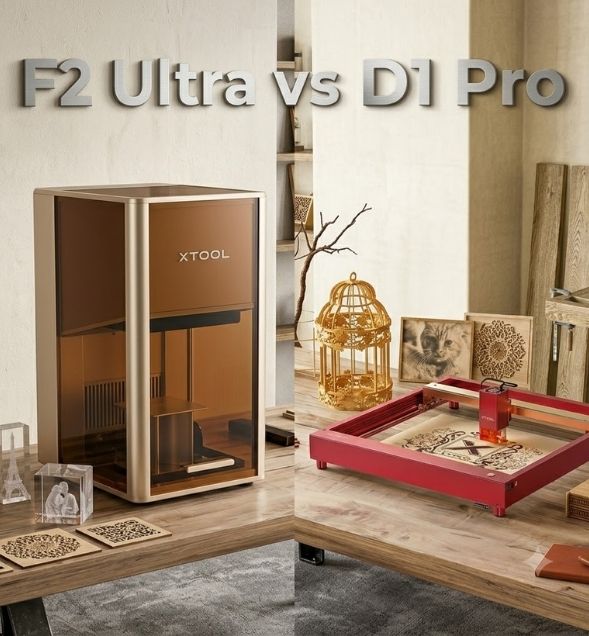
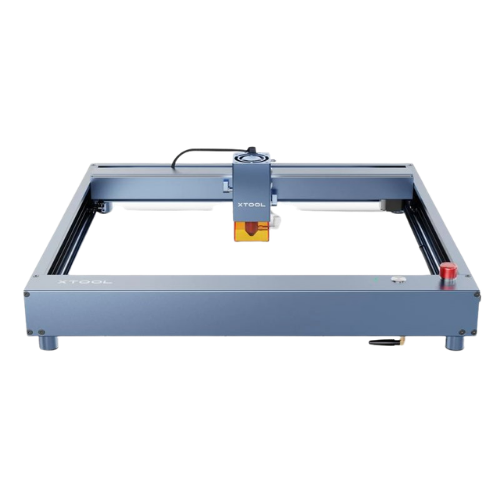
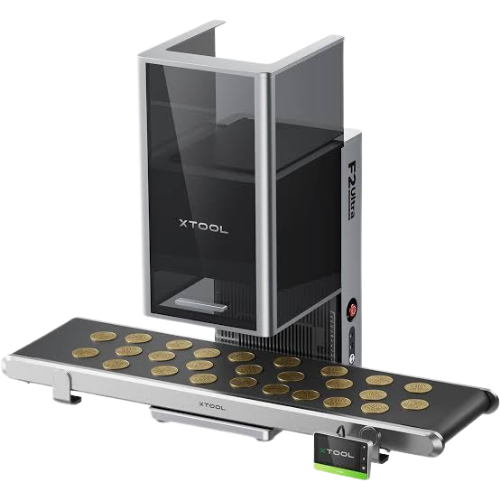
xTool F2 Ultra vs xTool 40W Laser Module for D1 Pro: Is It Worth Upgrading?
Every maker reaches a point where their first laser starts feeling small. If you started with a diode machine and now wonder whether a dual-laser MOPA system justifies the jump, this comparison breaks down speed, materials, precision, and price so you can decide with confidence.
A hobby laser is built for learning curves, not production runs. Once orders start stacking up, slow engraving speeds and a single laser type turn what used to be a fun weekend project into a bottleneck that eats every evening after work.
Material variety is usually the first wall makers hit. A diode-only setup handles wood, leather, and acrylic beautifully, but the moment a customer asks for engraved metal jewelry, tumblers, or coins, that machine simply cannot deliver the color or depth needed.
Precision expectations rise with your customer base too. Early hobby buyers forgive rough edges, but paying clients expect clean lines, consistent color, and repeatable results across every single batch, which is exactly where entry-level diode lasers start to struggle.
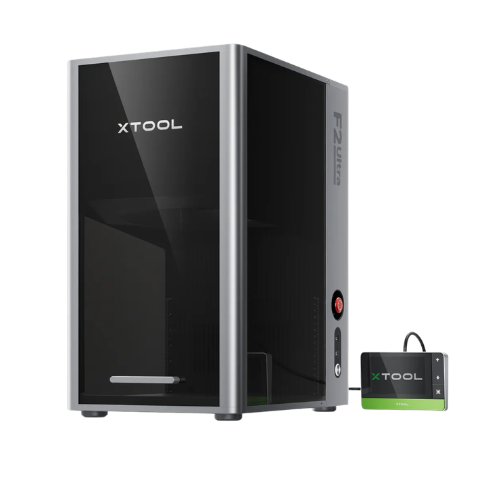
The F2 Ultra pairs a 60W MOPA laser with a 40W diode laser in one enclosed machine, unlocking color engraving on metal, true black marking, faster 3D detailing, and clean cuts across both organic and metal materials that a single diode laser was never designed to touch.
Power and Processing Speed
The F2 Ultra runs its diode and MOPA lasers at a combined output far beyond a typical entry-level module, reaching working speeds up to 15,000 mm/s. That kind of throughput turns multi-hour batch jobs into something you can finish and ship the same afternoon.
The 40W Laser Module for D1 Pro tops out closer to 400 mm/s, which is fine for one-off gifts but painfully slow once volume grows. Side by side, the speed gap alone explains why growing shops eventually feel forced to upgrade their core machine.
Diode lasers excel at wood, leather, paper, and some acrylics, but they cannot mark bare metal with any real color or contrast. The 40W module extends cutting depth on hardwood and acrylic, yet metal remains firmly outside its practical range.
MOPA technology changes that equation entirely. The F2 Ultra engraves stainless steel, brass, titanium, and even gold in over 100 colors, plus still handles every diode-friendly material the D1 Pro covers, effectively merging two machines’ capabilities into one enclosed workspace.
Positioning accuracy separates hobby results from sellable products. The F2 Ultra includes 48MP dual cameras for precise alignment on small or detailed items, letting makers preview exact placement before a single pulse fires, which dramatically cuts wasted material and failed test runs.
The 40W Laser Module for D1 Pro relies on simpler positioning without dedicated camera-guided precision, meaning alignment for engraved jewelry or fine detail work takes more manual trial and error. For batch production especially, that extra setup time adds up fast across dozens of pieces.
The 40W module cuts up to 18mm hardwood and 15mm black acrylic in one pass, respectable numbers for a diode-based system working within its 430 x 348mm frame, expandable further with an optional extension kit for larger flat projects.
The F2 Ultra works a smaller 8.6-inch by 8.6-inch footprint but compensates with metal-cutting ability the D1 Pro simply lacks, plus an optional conveyor accessory that extends the working length to 19.6 inches for continuous batch production runs.
At roughly $999 for the diode module alone, the D1 Pro path stays budget-friendly for makers testing the waters. Financing options bring it down to manageable monthly payments, making it approachable for anyone unsure about committing to a bigger machine.
The F2 Ultra starts around $3,999, a bigger investment, but financing spreads that to about $167 a month. For a shop already turning away metal-engraving orders, that monthly cost often gets recovered within just a few completed custom projects.
If your business stays focused on wood, leather, and paper goods, the diode module remains a capable, affordable workhorse with no pressing reason to change course. Plenty of profitable small shops run entirely on diode-only setups for years.
But if customers keep requesting metal engraving, faster turnaround, or professional color detail, the F2 Ultra removes that ceiling entirely. Dual lasers, camera precision, and batch-ready speed turn a growing side hustle into genuine production capacity overnight.
Whichever direction fits your workflow, both machines share the same design philosophy: reliable engineering, straightforward software, and accessories built to grow alongside your skills. That consistency is part of why so many makers stick with xTool as their business scales.