Best xTool Metal Business Card Blanks: Aluminum and Stainless Steel
19th June
Callum Hartley
Metal business cards have become a premium branding choice for many professionals in the US market because of its durability and a memorable first impression. Choosing between aluminum and stainless steel blanks can significantly impact engraving quality, production costs, and customer satisfaction.
How in the US Metal Business Cards Are Growing in Popularity
Premium Branding Drives Demand Studies show that premium marketing materials leave stronger impressions on customers, encouraging businesses to invest in metal business cards that reflect professionalism and enhance brand identity.
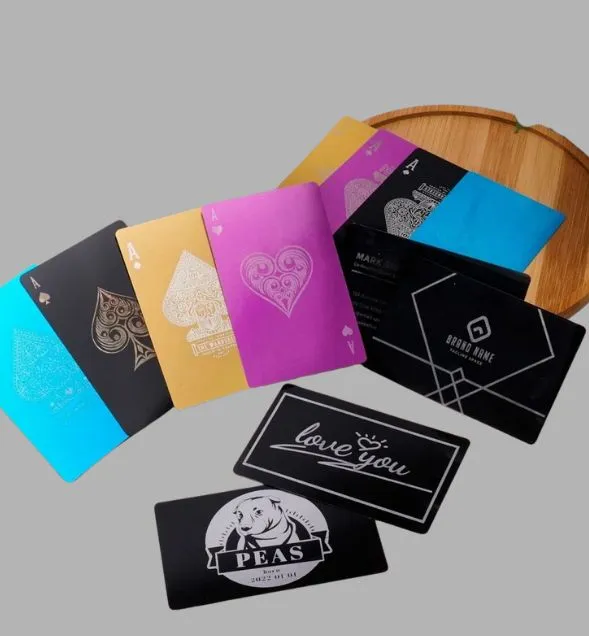
Laser Engraving Expands Creative Possibilities Modern laser engraving technology allows businesses to create intricate logos, QR codes, personalized designs, and detailed text on metal cards with exceptional precision and consistency.
Material Choice Matters Selecting the right blank affects engraving results, durability, production speed, and overall customer value. Aluminum and stainless steel each serve different business needs and product expectations.
Aluminum vs Stainless Steel: Which xTool Metal Business Card Blank Performs Better?
While both materials produce professional-looking business cards, differences in weight, engraving quality, durability, production efficiency, and target customers determine which option delivers better value for your custom engraving business.
Engraving Quality and Visual Appeal
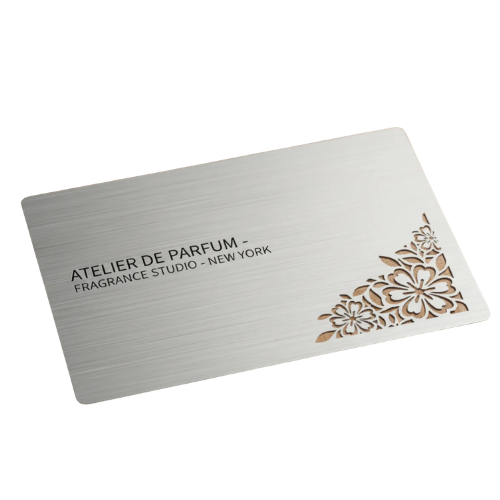
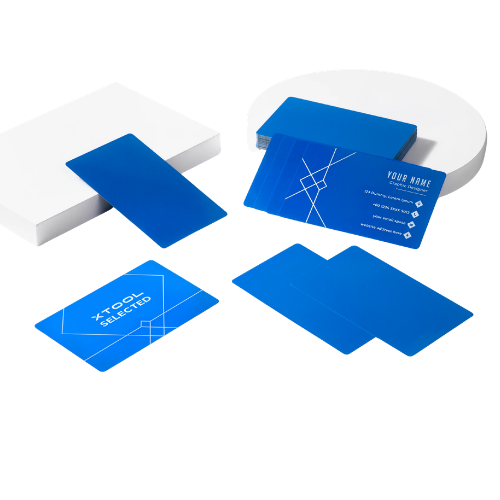
According to feedback from more than 80% of engraving business owners, engraving clarity is one of the most important factors influencing customer satisfaction. Aluminum business card blanks produce crisp, high-contrast engravings that are ideal for colorful finishes and promotional designs. Stainless steel offers a refined, premium appearance with sharp engraved details that complement luxury branding. Both materials deliver professional results, but the preferred choice often depends on the desired finish and the customer’s expectations.
When durability is the primary concern, stainless steel has a clear advantage. It offers greater resistance to bending, scratches, corrosion, and everyday wear, making it suitable for executives, luxury brands, and long-term promotional use. Aluminum, while lighter and easier to carry, provides sufficient durability for most business applications at a lower cost. Businesses can position stainless steel as a premium upgrade while offering aluminum as an affordable yet attractive alternative.
Aluminum blanks are generally easier and faster to engrave because of their softer surface, helping businesses complete larger order volumes efficiently. This makes them an excellent option for promotional campaigns, trade shows, and bulk corporate orders. Stainless steel may require slightly longer engraving times depending on machine settings, but the finished product delivers a premium feel that often justifies the additional production effort for high-value clients.
Material cost directly influences pricing strategy and profit margins. Aluminum business card blanks are typically more affordable, allowing businesses to offer competitive pricing while maintaining healthy profits on bulk orders. Stainless steel blanks carry a higher initial cost but support premium pricing because of their durability and upscale appearance. Offering both options enables engraving businesses to serve customers across different budgets without limiting their product range.
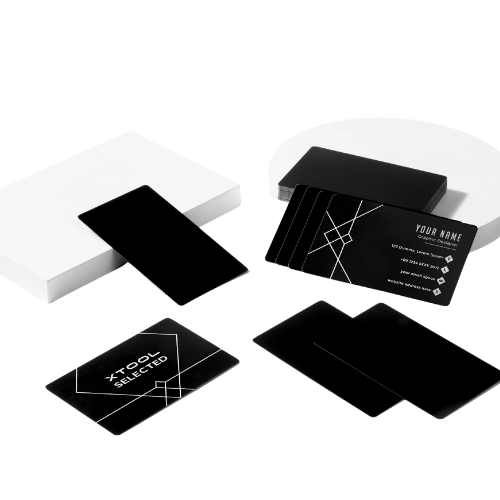
The best choice depends on your target market. Aluminum business card blanks are ideal for businesses producing affordable promotional products, marketing materials, and high-volume corporate orders. Stainless steel blanks are better suited for luxury brands, executives, real estate professionals, consultants, and premium corporate gifting. By offering both materials, businesses can attract a broader customer base while maximizing sales opportunities and adapting to different project requirements.
Weighing Your Options: How do you know an aluminum or Metal card is your best option?
Match the material to your brand image. If you’re going for a premium, high-end feel — think executives, real estate agents, or consultants — stainless steel signals quality and durability. If your priority is affordability and volume (promotional giveaways, marketing campaigns, corporate bulk orders), aluminum is the more practical choice.
Consider your budget and order size. Aluminum is generally lower-cost, making it ideal for large print runs or when you need to distribute cards widely without a big investment. Stainless steel costs more per unit, so it works best for smaller, targeted batches where the card itself is meant to make a lasting impression.
Think about durability and use case. Stainless steel holds up better to daily wear, scratching, and handling over time — a good fit for cards that double as premium gifts or keepsakes. Aluminum is lighter and still durable enough for everyday networking use, but won’t have quite the same rugged, long-term feel.