xTool F2 Ultra Review: Is It Worth It for a Metal Engraving Business?
Metal engraving businesses need precision, speed, and material range in one machine. The F2 Ultra UV promises all three through a 5W ultraviolet laser designed for cold processing. This review breaks down its real features, use cases, pros, cons, and hard numbers to help you decide if it earns a spot in your workshop.
The F2 Ultra UV runs on a 355nm ultraviolet laser instead of the diode or fiber sources most engravers use. Because UV light breaks molecular bonds with high-energy photons rather than heat, it processes materials without scorching, melting, or leaving carbon residue behind on delicate surfaces.
This “cold processing” approach matters most on heat-sensitive items like glass, acrylic, and ceramics, where traditional lasers often leave burn marks or micro-cracks. For a metal engraving shop, it means cleaner marks on bare aluminum, brass, and stainless steel without discoloration around the engraved edges.
The spot size sits under 10 microns, smaller than most desktop CO2 or diode lasers can achieve. That translates into finer line work, sharper text, and crisper logos, especially useful for small serial numbers, jewelry-scale detailing, or intricate branding on compact metal parts.
At its $2,999 price point, independent lab testing found it engraves a 50mm fill pattern on brushed stainless steel in 28 seconds, producing a permanent, legible mark rather than a surface coating change. Anodized aluminum logos finished in 20 seconds with clean contrast on both light and dark finishes.
Features Worth Knowing About
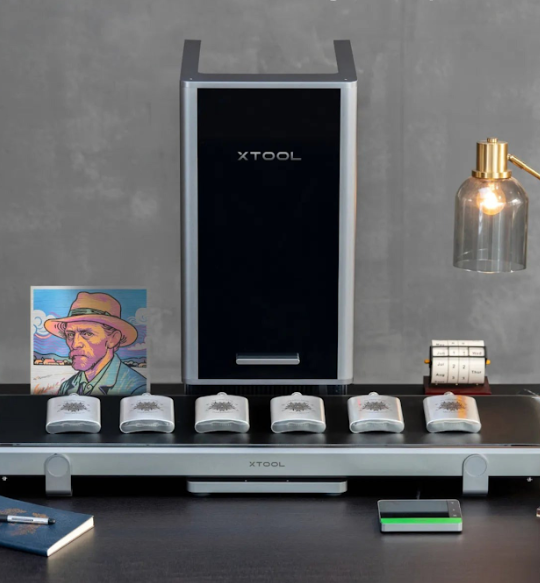
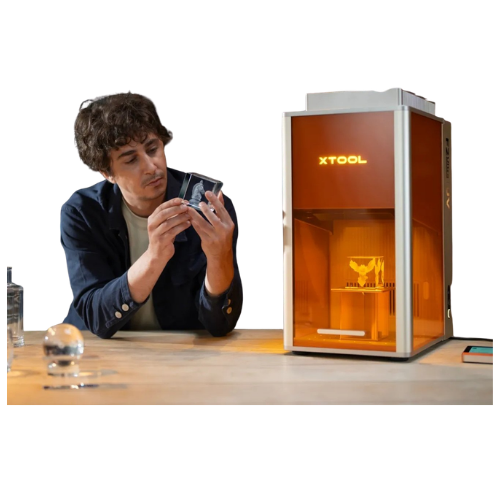
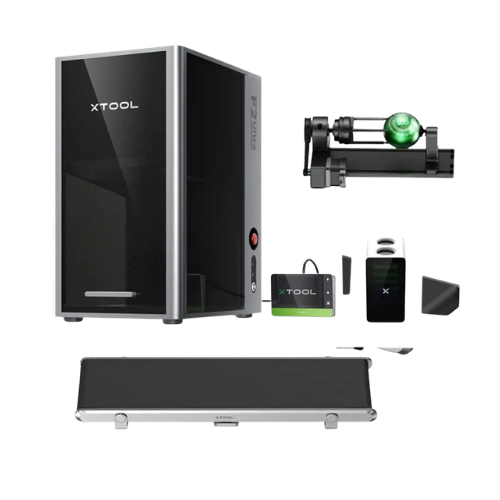
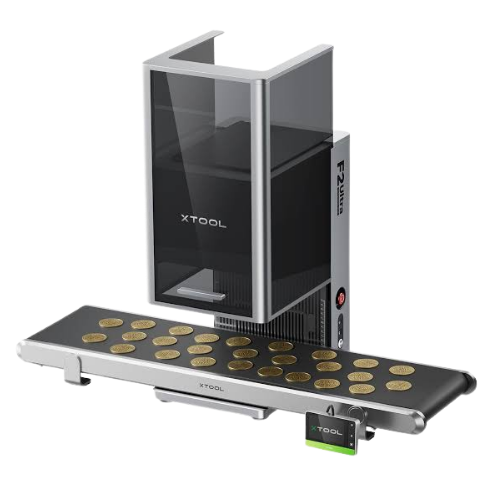
Working area covers a 200mm by 200mm surface engraving zone, extendable to 500mm with the optional conveyor for continuous batch production. The inner engraving field is smaller at 70mm by 70mm, reserved for the machine’s standout 3D crystal and glass engraving capability.
Material compatibility runs wide: glass, crystal, acrylic, ceramics, wood, leather, rubber, silicone, and bare metal are all supported for engraving. That breadth means a shop isn’t locked into one product category and can diversify into gifts, awards, and signage alongside metal work.
Testers ran the identical 50mm stainless steel fill on a dedicated fiber laser and clocked it at 18 seconds — 36% faster than the UV model on that specific task. If your shop lives and dies by bare-metal fill speed at high volume, a fiber machine still has the edge on raw throughput.
The catch is what that speed costs you elsewhere. A fiber laser can’t touch glass, crystal, or clear acrylic without visible cracking or haze, and it struggles with heat-sensitive plastics. The UV model trades a bit of metal-fill speed for a much wider material ceiling.
One engraving business reported the machine paid for itself in 2.5 months after replacing a slow, messy coating-and-wash process with direct 10-minute engraving, handling a 102-piece wedding order that would have bottlenecked their old workflow. That’s a concrete payback window, not a vague efficiency claim.
Another shop scaled from a garage corner to a warehouse after adding premium detailing to their product line, citing a 3.75x jump in monthly sales once glass and crystal work entered the mix. A third case turned $40–75 memorial crystal pieces into a 20x markup product line — margin a pure metal-only shop can’t access.
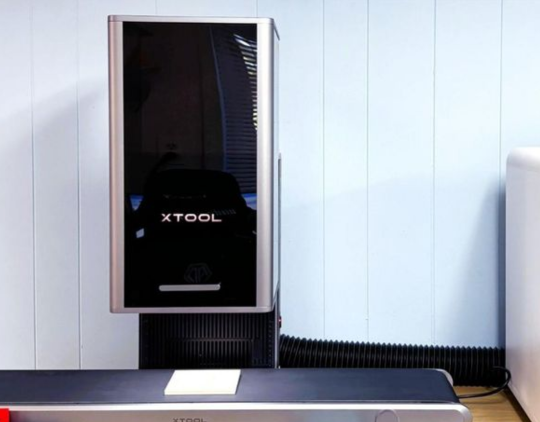
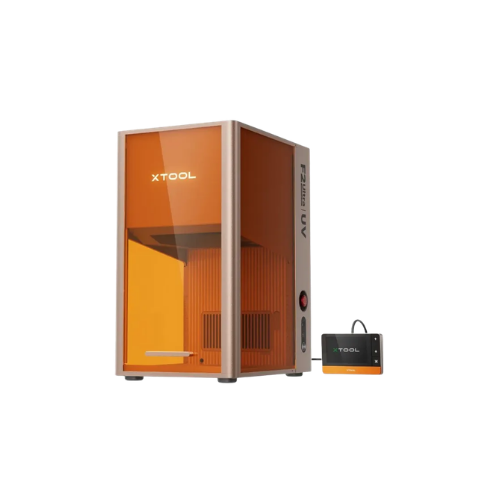
The fully enclosed Class 1 cabinet means no laser safety glasses or dedicated ventilation room are required, which cuts setup costs most competing fiber and CO2 machines still demand. UV laser sources also run cooler, reducing the wear that heat cycling puts on optics over years of daily production use.
The trade-off is that UV galvo components are pricier to service than diode parts if something fails outside warranty, and the smaller inner-engraving field means glass and crystal work is capped at 70mm pieces. Budget for that ceiling before betting your product line entirely on larger crystal formats.
On the plus side, the precision, speed, and clean cold-process marks on bare metal are genuinely strong, and the automated camera positioning reduces setup errors. The wide material range also lets a metal-focused shop expand into glass and crystal products without buying a second machine.
The main drawback is that it can’t cut metal sheets, so shops needing both cutting and engraving will still need a fiber machine alongside it. It also loses on raw bare-metal fill speed to a dedicated fiber laser, so pure high-volume metal shops should weigh that gap honestly.
Final Verdict: Should a Metal Engraving Business Buy It?
If your business already handles cutting elsewhere and wants sharper, cleaner engraving on bare metal, glass, and crystal, this machine earns its price. Independent testing rated it 9.2 out of 10 overall, driven almost entirely by categories no fiber or CO2 laser can touch.
If cutting metal sheets or maximum bare-metal fill speed is central to your workflow, this shouldn’t be your only laser — a fiber machine will outpace it there by a real, measured margin. Treating it as a fabrication tool instead of a precision engraver will leave gaps a MOPA machine would otherwise cover.
For shops chasing detail work, jewelry-scale precision, or a move into higher-margin glass and crystal products, xTool has built a machine whose ROI stories back up the spec sheet. Weigh the no-cutting limitation against your actual production needs before deciding if it belongs on your shop floor.