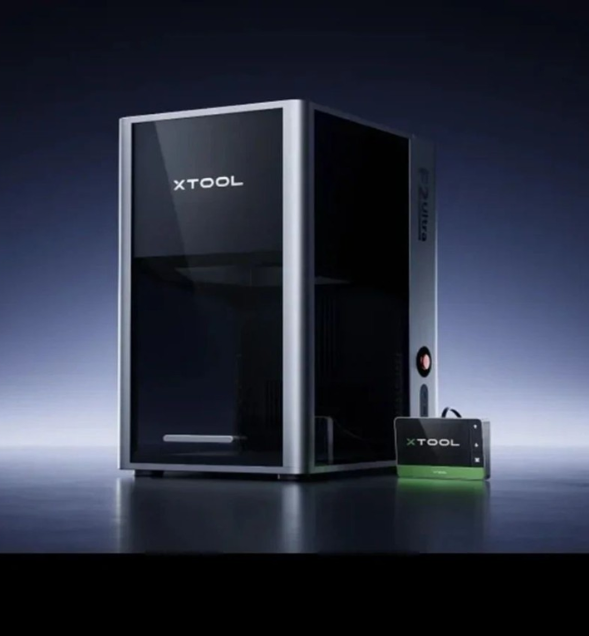
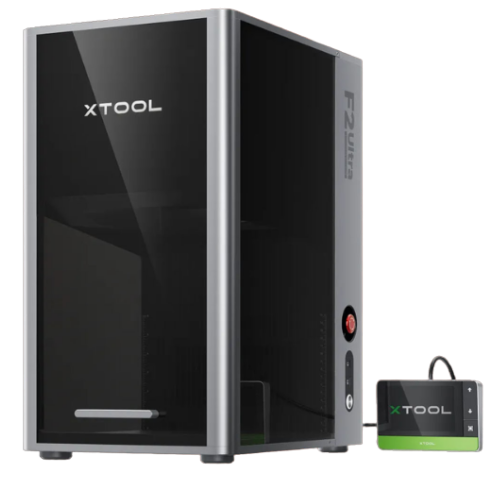
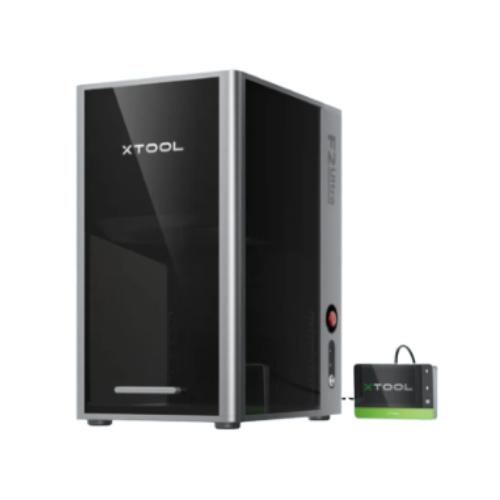
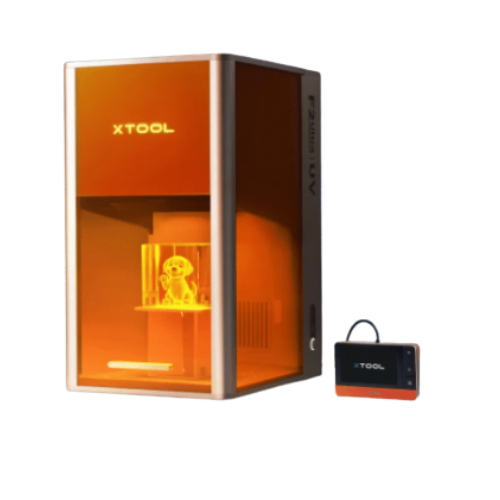
Is xToolCare for F2 Ultra Worth It? Coverage, Costs and Buyer Considerations
An extended warranty is easy to skip at checkout and easy to regret later, especially on equipment where a single core component failure can cost more than the plan itself. Here’s a straightforward breakdown of what this care program actually covers, what it costs, and where the real value sits.
Why Warranty Math Actually Matters for Laser Owners
A laser module isn’t a cheap part to replace out of pocket, and a standard 12-month warranty runs out fast for anyone running a machine daily for production. Once that window closes, a single core component failure can mean paying full repair cost with zero cushion.
That’s the actual risk calculation behind any extended coverage decision: not “will something break,” but “what does it cost me if it does, and how much am I willing to pay upfront to cap that number.” Laser modules specifically carry enough repair cost to make that math worth running.
For a business relying on a machine for daily output, downtime carries its own cost beyond the repair bill itself. Every day a machine sits waiting for parts or diagnosis is lost production time, which is a cost extended coverage plans are specifically built to shrink, not eliminate entirely.
Two tiers are available: a 1-year plan at $499 for the F2 Ultra ($469 for the Single version) and a 2-year plan at $799 ($699 Single). Both extend the standard 12-month warranty, add core component accident protection for the laser module, and include free two-way shipping for repairs.
What the Coverage Actually Protects
The centerpiece of the plan is core component accident protection, covering the laser module specifically if it’s damaged by accident during normal use. The 1-year plan allows up to two replacements, while the 2-year plan doubles that to four, both at a reduced fee instead of full repair cost.
Warranty extension is the other half of the deal, stretching the standard 12-month coverage on main parts to 24 months under the 1-year plan or 36 months under the 2-year plan. Accessories like the manual, screwdriver, and grease stay unwarranted regardless of plan, covered only for damage on arrival.
Running the Real Numbers: Savings vs Sticker Price
For the F2 Ultra, the 1-year plan costs $499 plus a $129 service fee if a claim is filed, totaling $757. Without coverage, that same core component accident repair runs $1,600 out of pocket, a documented savings of $843 if even one accident claim gets used during the year.
The 2-year plan follows the same logic at a larger scale: $799 plus the $129 service fee brings total cost to $1,315, against $3,200 in uncovered repair costs if multiple incidents occur, a savings of $1,885. The math favors the plan specifically for anyone expecting real production wear over time.
The 48-Hour Promise and Why It Matters for a Business
Beyond covering repair costs, the plan promises priority replacement parts delivered within 48 hours in eligible regions, a meaningful commitment for any shop where a stalled machine directly stalls revenue. Free two-way shipping removes another friction point that normally adds both cost and delay to a standard repair process.
A 2-hour response window for technical consultation rounds out the practical side of the coverage, giving direct access to a diagnostic team instead of navigating a generic support queue. For a business that can’t afford to guess at troubleshooting, that faster response time carries real operational value beyond the dollar figures.
Coverage excludes force majeure and intentional damage, and the accident protection specifically applies only to the laser module, not the full machine. Buyers expecting blanket protection against any possible failure should read the exclusions closely, since the plan is targeted rather than comprehensive by design.
The plan is also non-transferable, purchasable only once per machine, and must be bound to that specific machine’s serial number within the account center. A 30-day refund window exists if no claims have been filed, but once a claim is used, that refund option disappears permanently.
The 1-year plan makes sense for buyers still testing how heavily they’ll actually use the machine, or those planning to upgrade equipment within a year regardless of coverage status. Its lower upfront cost limits exposure while still covering the highest-risk early period of ownership and initial learning curve.
The 2-year plan pays off more clearly for an established business running the machine daily, where two extra years of coverage and double the accident protection allowances meaningfully outweigh the higher upfront cost, particularly once the documented $1,885 potential savings gets weighed against a $799 starting price.
For a business or serious hobbyist running the F2 Ultra in regular production, the documented savings on core component repairs alone justify the cost, especially paired with faster turnaround through priority shipping and quick technical response. The numbers aren’t marketing estimates, they’re the actual repair costs stated upfront.
For a casual or occasional user unlikely to push the machine hard enough to risk component damage, the base warranty may be sufficient, and the extended plan becomes less essential relative to its cost. Usage intensity, not machine price alone, is what should drive this specific decision.
Between the transparent savings math and a support structure built around minimizing actual downtime, xTool has built a coverage plan that earns its cost for anyone treating the F2 Ultra as a working tool rather than an occasional hobby machine. Weigh your usage pattern honestly before deciding either way.